
From Mechanical Locks to Cloud Access: How Security Technology Is Evolving
The security industry has undergone a remarkable transformation over the past few decades.
For much of modern history, access control was simple: mechanical locks and metal keys. While those systems were reliable, they were also static. Once a key was issued, it was difficult to track, restrict, or revoke access without physically changing the locking hardware.
Today, technology is reshaping how buildings are secured and managed.

The Limits of Traditional Systems
Mechanical locks have served buildings well for generations, but they were never designed for the dynamic environments of today’s properties.
Consider the challenges property managers deal with regularly:
tenant turnover
staffing changes
vendors and contractors
shared amenities and restricted areas
When access changes frequently, physical keys quickly become difficult to manage.
Rekeying doors, replacing lost keys, and coordinating access updates can create operational headaches.
The Rise of Electronic Access Control
Electronic locks and keycard systems introduced a new level of control by allowing administrators to manage credentials digitally rather than mechanically.
Instead of rekeying a door, access could be revoked electronically.
However, many electronic systems are still limited. They often require onsite programming or standalone devices that don’t communicate with each other.
As buildings grow more connected, the next step becomes clear.
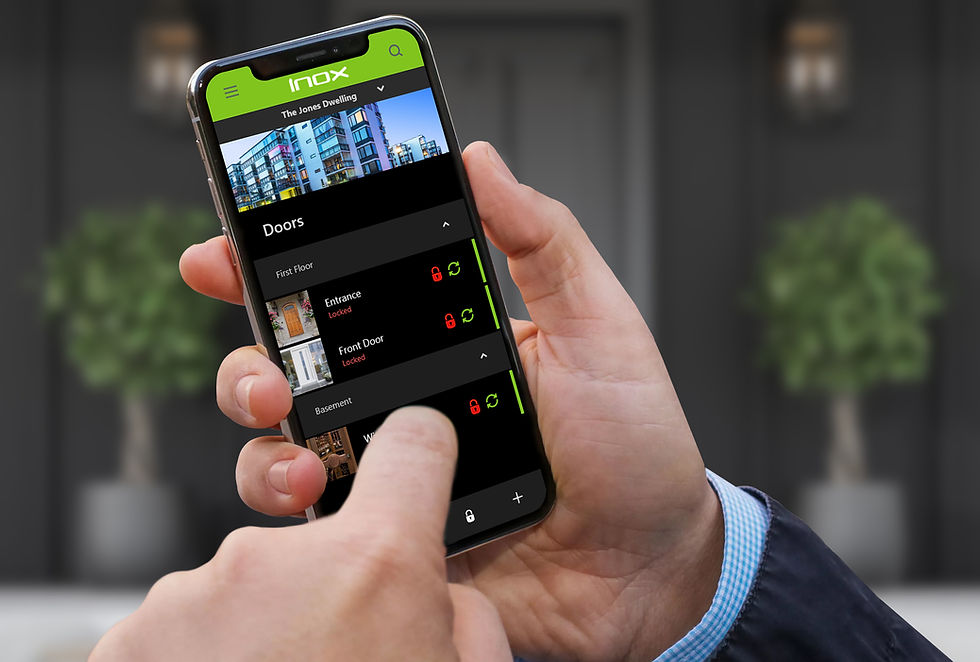
Enter Cloud-Based Access Control
Cloud technology has changed the way access systems are deployed and managed.
Instead of relying on local servers or standalone devices, cloud-connected systems allow administrators to manage doors and users remotely through centralized platforms.
This shift brings several advantages:
remote credential management
real-time activity monitoring
scalable systems that grow with properties
easier management across multiple sites
In short, access control becomes part of a larger connected building ecosystem.
Mobile Credentials and the Modern User
One of the most visible changes in access technology is the rise of mobile credentials.
Smartphones can now function as digital keys, allowing users to unlock doors with secure applications or wireless communication technologies.
This eliminates the need to carry multiple physical credentials and makes it easier to issue or revoke access instantly.
For administrators, it also reduces the cost and complexity of managing physical cards or keys.
A Smarter Approach to Security
Today’s access systems are designed not only to secure doors but also to simplify building operations.
With centralized management, administrators can monitor activity, manage permissions, and respond to issues without being physically present at each door.
As buildings become smarter and more connected, access control is evolving from a simple hardware decision into a strategic technology platform.
And that transformation is just beginning.


Comments